
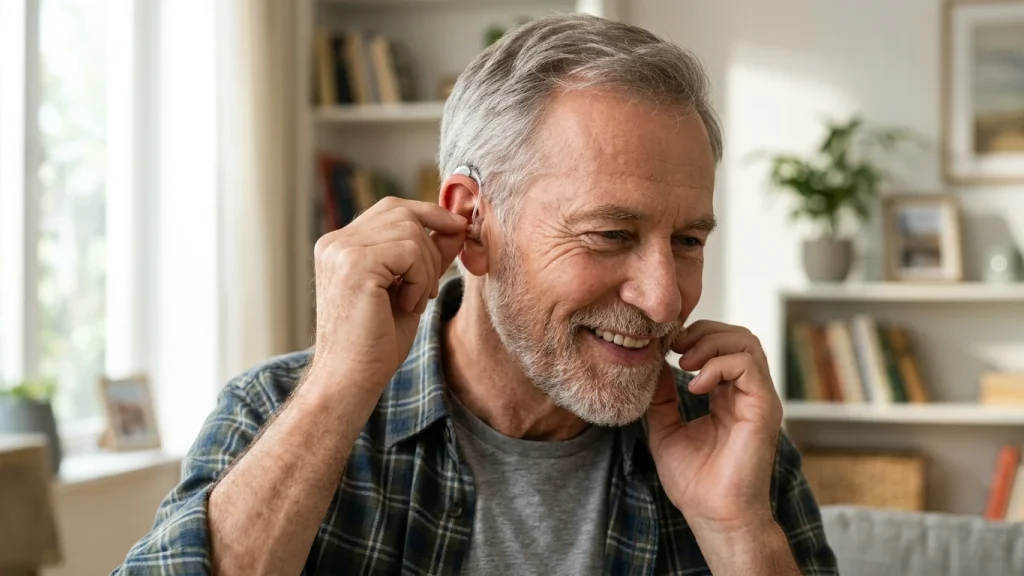
Maintaining communication with loved ones and remaining attentive to environmental cues is vital for cognitive health and emotional well-being. According to data from the National Institute on Aging (NIA), approximately one in three adults in the United States between the ages of 65 and 74 experiences significant hearing loss, a figure that rises to nearly 50 percent for those over age 75. Historically, age-related hearing loss—clinically referred to as presbycusis—required multiple visits to audiologists, clinical hearing tests, and prescription hearing devices that often cost several thousand dollars out-of-pocket.
Lexie B2 Hearing Aids Review (2026): A Gerontologist's Clinical Deep Dive
In-depth 2026 review of Lexie B2 OTC hearing aids by an occupational therapist. Explore acoustic performance, dexterity, pros, cons, and top comparisons.
By SeniorEaseGuide Research Editorial•✓ Evidence-Based•Updated Aug 21, 2026• 12 min read
Listen to this article
0:00 / 0:00Table of Contents (23 sections)
- • 📌 Understanding Presbycusis and the Scope of OTC Devices
- • 📌 Lexie B2 Powered by Bose: Architecture and Core Features
- ↳ 🔹 Key Technical Specifications
- ↳ 🔹 The Self-Fitting Process
- • 🔬 Clinical Ergonomics: Dexterity, Vision, and Daily Usability
- ↳ 🔹 Handling and Tactile Feedback
- ↳ 🔹 Charging Station Design
- • 📌 Acoustic Performance in Real-World Environments
- ↳ 🔹 Quiet Conversational Settings
- ↳ 🔹 Noisy Restaurants and Social Gatherings
- ↳ 🔹 Streaming and Connectivity
- • 🛒 Comparative Analysis: Lexie B2 vs. Top OTC Competitors (2026)
- ↳ 🛒 1. Lexie B2 vs. Sony CRE-C10
- ↳ 🛒 2. Lexie B2 vs. Jabra Enhance Select 300
- ↳ 🛒 3. Lexie B2 vs. Eargo 7
- ↳ 🛒 OTC Hearing Aid Comparison Matrix
- • 🔬 Pros and Cons: A Balanced Clinical Assessment
- ↳ 🔹 Advantages (Pros)
- ↳ 🔹 Limitations (Cons)
- • ⚠️ Practical Guidance: Maintenance, Adaptation, and Safety
- ↳ 🔹 Recommended Acclimatization Schedule
- ↳ ✅ Daily Maintenance Protocol
- • 💡 Final Verdict: Is the Lexie B2 Worth It in 2026?
📋 Senior Quick-Action Protocol & Checklist
To put the clinical guidance above into immediate practice, our geriatric research team outlines this evidence-based protocol for 4-step senior otc hearing setup & verification:
- ✔Step 1 (Ear Tip Sizing Check): Fit a soft silicone dome on your Audien Atom Pro 2 or Lexie B2 Hearing Aid to prevent whistling and boost TV clarity.
- ✔Step 2 (Background Noise Calibration): Start in quiet home rooms before testing voice isolation, or pair with a wireless TV Ears Headset for crystal-clear television audio.
- ✔Step 3 (Magnetic Docking Maintenance): Dock devices nightly in the magnetic charging case to ensure 24+ hours of uninterrupted battery performance.
The establishment of the FDA’s Over-the-Counter (OTC) Hearing Aid regulations transformed this landscape, allowing adults with perceived mild-to-moderate hearing loss to purchase self-fitting medical devices directly. Among the prominent entries in this category is the Lexie B2 Hearing Aids Powered by Bose. From an occupational therapy and gerontological standpoint, evaluating a hearing device requires looking beyond sound amplification alone. We must examine tactile ergonomics, micro-dexterity requirements, cognitive overhead during setup, long-term acoustic comfort, and realistic expectations regarding speech discrimination in noisy settings.
This clinical review provides an objective, evidence-informed examination of the Lexie B2 OTC hearing aids. We will analyze their technological foundation, evaluate physical usability for older adults, contrast them with leading OTC alternatives, and reference established guidelines from health authorities such as the Mayo Clinic, CDC, and NIH.
📌 Understanding Presbycusis and the Scope of OTC Devices
Before evaluating any specific device, it is essential to clarify who OTC hearing aids are designed for—and who should seek formal audiologic care. Presbycusis typically develops gradually in both ears, primarily affecting high-frequency sound perception. Individuals may notice that people seem to mumble, or that female and children’s voices become harder to distinguish. Background noise in restaurants or family gatherings can make conversational processing exhausting.
Research cited by the National Institutes of Health (NIH) indicates that untreated hearing loss may increase cognitive load, as the brain must allocate excessive energy to decoding degraded auditory signals. Over time, this extra effort can contribute to mental fatigue and social withdrawal. Devices like the Lexie B2 aim to address high-frequency loss by selectively boosting critical speech frequencies.
However, the Centers for Disease Control and Prevention (CDC) emphasizes that OTC hearing aids are intended strictly for adults aged 18 and older with mild-to-moderate hearing impairment. They are not suited for individuals with:
- Severe or profound hearing impairment (e.g., inability to hear loud sounds or speech even in quiet settings).
- Unilateral (one-sided) hearing loss or sudden hearing loss.
- Active ear drainage, pain, dizziness, or fluid buildup.
- History of ear canal malformations or impacted cerumen (earwax).
If you experience any of these red-flag symptoms, consulting an otolaryngologist (ENT doctor) or licensed audiologist is the recommended clinical step.
📌 Lexie B2 Powered by Bose: Architecture and Core Features
The Lexie B2 is a Receiver-in-Canal (RIC) hearing aid developed through a partnership between Lexie Hearing and Bose. By leveraging Bose’s legacy self-fitting algorithm, the Lexie B2 allows users to customize acoustic profiles independently using a smartphone application.
🔹 Key Technical Specifications
- Form Factor: Receiver-in-Canal (RIC) with flexible wire and silicone dome.
- Fitting Method: Self-fitting via the Lexie app (Bose CustomTune technology).
- Power System: Rechargeable lithium-ion battery delivering up to 18 hours of continuous operation per charge.
- Audio Capabilities: Direct phone call streaming for iOS devices and select Android devices; environmental sound amplification.
- Controls: On-device rocker switch for volume adjustments, plus granular control via the Lexie smartphone app.
- In-Box Accessories: Charging case, multiple dome sizes (open and closed), wire sizing tool, cleaning brush, and replacement wax guards.
🔹 The Self-Fitting Process
Rather than relying on a traditional audiogram, the Lexie B2 utilizes self-fitting software based on research originally conducted by Bose. Upon pairing the devices with a smartphone via Bluetooth, the user completes an interactive sound-check procedure. The app plays broadband audio cues while the user adjusts two primary sliders:
- World Volume: Overall amplification tailored to environmental context.
- Treble/Bass (Tone): Adjusts high-frequency emphasis (to enhance consonant clarity such as "s," "f," and "t") versus low-frequency richness.
Studies suggest that self-fitting algorithms can yield speech understanding outcomes comparable to professional clinical fittings for individuals within the mild-to-moderate range, provided the user follows setup instructions accurately.
🔬 Clinical Ergonomics: Dexterity, Vision, and Daily Usability
From an occupational therapy perspective, a hearing aid's clinical effectiveness depends heavily on whether an individual can physically insert, clean, and manage it independently. Conditions such as osteoarthritis, peripheral neuropathy, essential tremor, or age-related macular degeneration can make handling microscopic devices frustrating.
🔹 Handling and Tactile Feedback
The Lexie B2 utilizes a standard RIC design. The main body sits behind the outer ear (pinna), connected by a thin transparent wire to a soft silicone dome placed inside the ear canal.
- Pros for Dexterity: The main body offers a tangible surface area that is easier to grasp than ultra-miniature in-canal devices. The rechargeable design removes the need to manipulate tiny Size 312 disposable batteries, which can be challenging for those with reduced fine motor control.
- Considerations: Threading the clear wire over the top of the ear and aligning the silicone dome inside the ear canal requires basic tactile awareness and bilateral hand coordination. Older adults with severe hand tremors may need assistance during the initial onboarding period.
🔹 Charging Station Design
The included charging case utilizes magnetic positioning contacts. When the hearing aids are placed near their dedicated slots, magnets pull them into proper contact alignment. LED indicators show charge status. Full charging requires approximately 3 hours, providing up to 18 hours of runtime, which comfortably covers a standard waking day.
📌 Acoustic Performance in Real-World Environments
The primary therapeutic goal of a hearing aid is to improve signal-to-noise ratio (SNR)—amplifying target speech while softening ambient sound. How does the Lexie B2 perform across everyday acoustic environments?
🔹 Quiet Conversational Settings
In calm environments, such as a one-on-one conversation at home, the Lexie B2 delivers clear, natural voice amplification. The Bose CustomTune processing avoids the unnatural, "tinny" metallic sound often associated with basic amplifiers. High-frequency amplification improves consonant clarity, helping reduce the cognitive fatigue caused by repeatedly asking others to repeat themselves.
🔹 Noisy Restaurants and Social Gatherings
Background noise management is a major challenge for any amplification device. The Lexie B2 features directional dual microphones that emphasize sounds originating in front of the wearer while dampening ambient noise behind them. Within the app, users can switch directional focus (e.g., "Everywhere" versus "Front"). Clinical observations suggest that while OTC noise-suppression algorithms may not fully match the advanced spatial mapping of high-end prescription aids, the Lexie B2 offers noticeable attenuation of background clatter in moderate noise settings.
🔹 Streaming and Connectivity
The Lexie B2 supports direct hands-free audio streaming for phone calls on iPhones and select Android devices operating on modern Bluetooth protocols. It is important to note that the device is optimized primarily for speech amplification rather than high-fidelity music streaming. Music streamed through the device may sound somewhat thin due to the open-fit dome design, which naturally allows low-frequency sounds to escape the canal.
🛒 Comparative Analysis: Lexie B2 vs. Top OTC Competitors (2026)
To assist seniors and their caregivers in evaluating options, we have analyzed how the Lexie B2 compares to three prominent OTC devices: the Sony CRE-C10, the Jabra Enhance Select 300, and the Eargo 7.
🛒 1. Lexie B2 vs. Sony CRE-C10
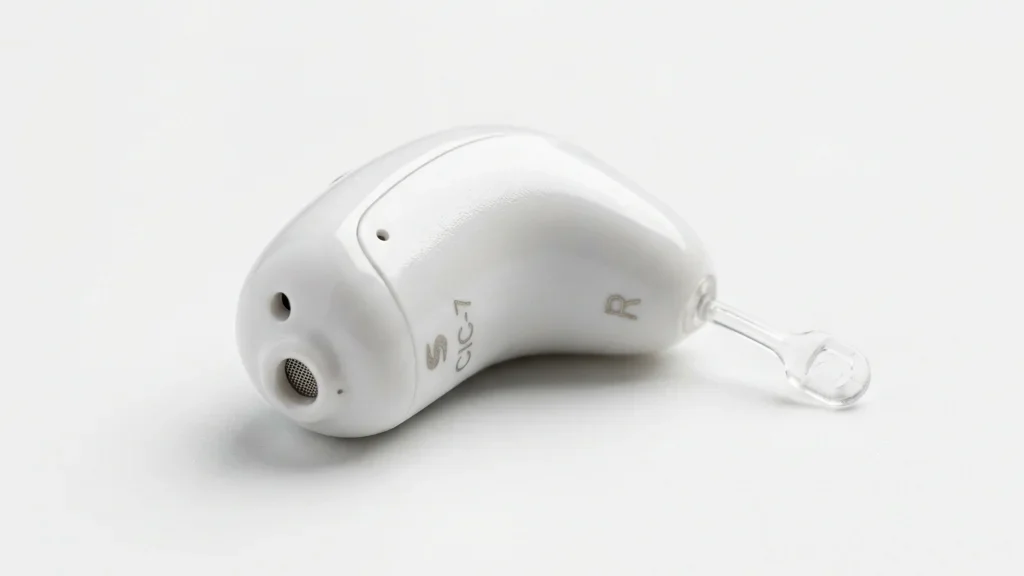
The Sony CRE-C10 is an Completely-In-Canal (CIC) hearing aid developed in partnership with WS Audiology. It sits deep inside the ear canal, rendering it virtually invisible from the side.
- Form Factor: Lexie B2 is Behind-the-Ear (RIC); Sony CRE-C10 is Completely-in-Canal (CIC).
- Battery Type: Lexie B2 is rechargeable; Sony CRE-C10 uses disposable Size 10 zinc-air batteries (lasting roughly 70 hours per battery).
- Dexterity Comparison: The Lexie B2 is easier to grasp and position for individuals with limited finger strength. Changing tiny Size 10 batteries in the Sony CRE-C10 requires fine motor control.
- Streaming: Lexie B2 offers phone call streaming; Sony CRE-C10 does not support direct streaming.
🛒 2. Lexie B2 vs. Jabra Enhance Select 300
The Jabra Enhance Select 300 is a premium RIC device offered with optional remote audiological support packages.
- Auditory Support: Lexie provides on-demand support through their app and phone line, but relies mainly on self-fitting. Jabra offers direct remote care sessions with licensed hearing care professionals who can adjust device settings remotely.
- Acoustics & Streaming: Jabra offers robust hands-free music and call streaming across iOS and Android with advanced multi-channel sound processing.
- Price Point: The Lexie B2 is typically priced under $1,000, whereas the Jabra Enhance Select 300 carries a higher price tag reflective of its hybrid professional care model.
🛒 3. Lexie B2 vs. Eargo 7
The Eargo 7 features a virtually invisible in-the-canal design with silicone "petals" and water-resistant construction.
- Invisibility & Fit: Eargo 7 sits deep inside the ear canal, making it ideal for users concerned with cosmetic discretion. However, deep-fit devices can cause an occlusion effect (a hollow or booming perception of one's own voice).
- Moisture Resistance: Eargo 7 features an IPX7 water-resistance rating, making it more resilient against sweat and minor moisture exposure compared to the Lexie B2 (IPX4 splash resistant).
- Cost: Eargo 7 is significantly more expensive than the Lexie B2.
🛒 OTC Hearing Aid Comparison Matrix
| Feature / Parameter | Lexie B2 (Powered by Bose) | Sony CRE-C10 | Jabra Enhance Select 300 | Eargo 7 |
|---|---|---|---|---|
| Form Factor | Receiver-in-Canal (RIC) | Completely-in-Canal (CIC) | Receiver-in-Canal (RIC) | In-the-Canal (ITC) |
| Battery Type | Rechargeable (Lithium-ion) | Disposable (Size 10) | Rechargeable (Lithium-ion) | Rechargeable (Lithium-ion) |
| Fitting Method | Self-fitting (Bose App) | Self-fitting (Sony App) | Audiologist Remote Fit / App | Self-fitting (Eargo App) |
| Direct Call Streaming | Yes (iOS & Select Android) | No | Yes (iOS & Android) | No (Calls via Phone) |
| Approximate Cost | $990 - $999 | $990 - $1,000 | $1,600 - $1,990 | $2,500+ |
| Ideal Candidate | Mild-moderate loss; values balance of cost, streaming, & rechargeable convenience | Mild-moderate loss; priorities are high cosmetic discretion & simple app use | Mild-moderate loss; prefers ongoing remote audiologist adjustments | Mild-moderate loss; active lifestyle, wants invisible, water-resistant fit |
| View details → | View details → | View details → | View details → |
🔬 Pros and Cons: A Balanced Clinical Assessment
🔹 Advantages (Pros)
- Proven Sound Engine: Bose CustomTune self-fitting software provides reliable high-frequency boosting tailored to user preferences.
- No Disposable Batteries: The rechargeable case eliminates the delicate task of handling small button batteries.
- Cost-Effective: At roughly one-third the price of traditional prescription devices, it lowers the barrier to timely hearing intervention.
- Accessible Support: Lexie offers built-in customer support through video calls, voice calls, and chat directly within the app.
- Comfortable Open-Fit Design: The RIC dome options reduce occlusion, so users hear their own voice more naturally.
🔹 Limitations (Cons)
- Smartphone Dependency: Initial setup and optimal feature adjustments require a compatible smartphone with Bluetooth capabilities.
- Not Suited for Severe Loss: Lacks the raw power output and advanced compression profiles needed for profound hearing impairment.
- Physical Visibility: While low-profile, the behind-the-ear wire and body are visible compared to micro CIC options.
- Limited High-Fidelity Music Streaming: Acoustic output is tailored primarily for speech clarity, not dynamic bass response in music.
⚠️ Practical Guidance: Maintenance, Adaptation, and Safety
Adapting to a new hearing aid is a gradual physiological and neurological process. According to guidelines from the Mayo Clinic, the brain often requires several weeks to adapt to processing sound frequencies that it may not have heard clearly for years. Environmental sounds like ticking clocks, footsteps, or hums from appliances may initially feel intrusive.
🔹 Recommended Acclimatization Schedule
- Days 1–5: Wear the Lexie B2 for 2 to 4 hours per day in quiet home environments. Focus on one-on-one conversations and listening to television at normal volumes.
- Days 6–10: Extend wear time to 6 to 8 hours. Wear the devices during outdoor walks or quiet outdoor settings to acclimate to dynamic sound patterns.
- Day 11 Onward: Wear the devices throughout your daily routine, including restaurants or social events. Make micro-adjustments to tone and volume within the app as needed.
✅ Daily Maintenance Protocol
To preserve acoustic clarity and hardware longevity, older adults and caregivers should establish a daily cleaning routine:
- Wipe Down Domes: Use the provided cleaning brush or a dry lint-free cloth every evening to remove surface earwax and moisture from the silicone domes. Never use water or alcohol solvents directly on the device.
- Check Wax Guards: Inspect the tiny white cerumen guard beneath the dome weekly. If sound output becomes muffled or faint, replace the guard using the included wax-guard tool.
- Store Properly: When not in use, place the hearing aids inside their powered charging case in a dry, room-temperature room. Avoid storing them in humid bathrooms.
💡 Final Verdict: Is the Lexie B2 Worth It in 2026?
The Lexie B2 Powered by Bose remains a practical option within the over-the-counter hearing aid category. From an occupational therapy perspective, it provides a thoughtful combination of accessible self-fitting technology, effective high-frequency amplification, rechargeable convenience, and a clear user interface.
While it does not replace individualized audiologic care for severe or complex hearing conditions, it serves its intended population well. For adults with age-related mild-to-moderate hearing loss who have basic comfort with a smartphone, the Lexie B2 offers a reliable, evidence-backed pathway toward improving daily communication and cognitive engagement.
Disclaimer: This review is intended solely for educational purposes and does not substitute for professional medical advice, diagnosis, or treatment. If you experience sudden hearing loss, tinnitus, pain, or dizziness, consult a qualified healthcare professional or otolaryngologist immediately.

Medical Disclaimer: The information provided in this guide is for educational purposes only and is not intended as personal medical advice. Always consult your physician, physical therapist, or qualified healthcare professional before beginning any new treatment, supplement, or mobility regimen.
Reviewed & Fact-Checked By

Sarah MitchellVerified Expert
Senior Care Researcher & Lead Editor
Sarah Mitchell is a dedicated senior care researcher and advocate with over 15 years of experience testing and reviewing products for older adults. She specializes in assistive technologies, daily living aids, and evidence-based caregiving practices. Full bio →
Master of Public Health (MPH) – Focus on AgingCertified Senior Advisor (CSA)Over 100+ Mobility Products Tested
Why You Can Trust Us
🔬 Testing Methodology
We independently evaluate products based on senior safety, ease of use, comfort, and value from hands-on analysis and research.
✍️ Editorial Process
Every article undergoes fact-checking, citing authoritative sources like the NIH, Mayo Clinic, and CDC for evidence-based accuracy.
⚕️ Medical Review Policy
Health content is reviewed by credentialed specialists, including gerontologists and physical therapists, to ensure clinical relevance.
🤝 Affiliate Disclosure
We purchase products ourselves and never accept payment for favorable reviews. Links may earn a commission at no extra cost to you.