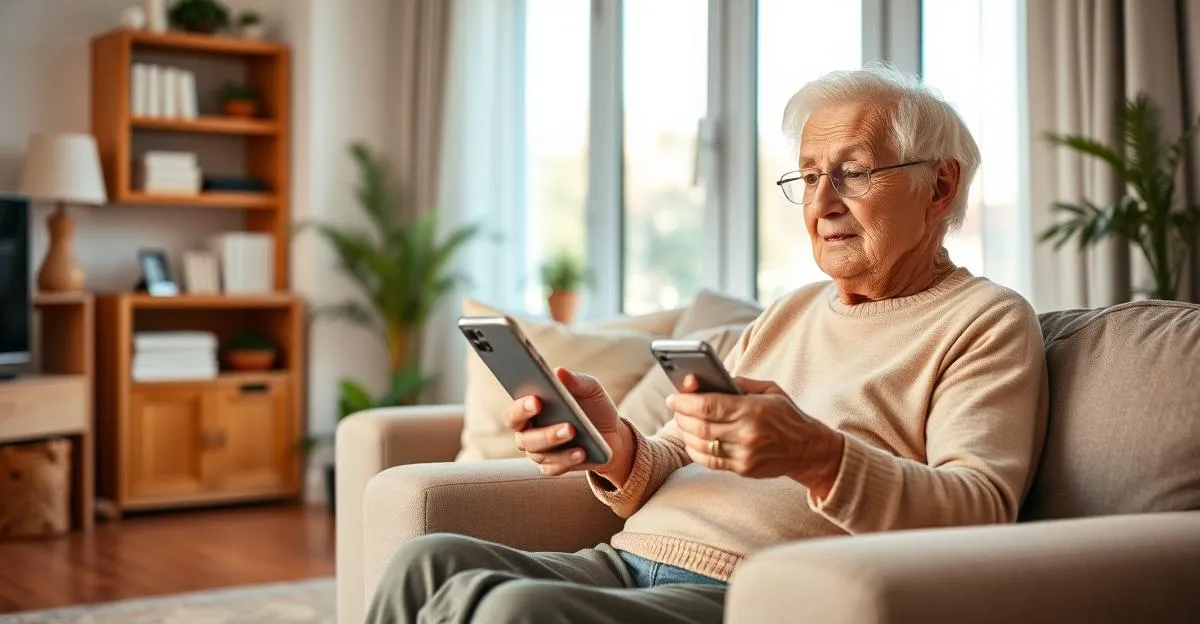
Every year, millions of seniors experience falls—and the consequences can be life-changing. According to the CDC, one in four Americans aged 65 and older falls each year, yet only about half talk to their healthcare providers about it. The good news? Small tools make a big difference. Whether you're considering fall detection technology or medical alert systems, understanding your options empowers you to regain confidence in your daily routine and maintain the independence you've worked hard to achieve.
Fall Detection Systems vs Medical Alert for Seniors: Which Is Right for You?
Fall Detection Systems vs Medical Alert for Seniors: Which Is Right for You?
By SeniorEaseGuide Research Editorial•✓ Evidence-Based•Updated Aug 19, 2026• 11 min read
Listen to this article
0:00 / 0:00Table of Contents (27 sections)
- • ⚠️ Understanding Your Safety Options
- • 📌 What Are Fall Detection Systems?
- ↳ 🔹 How Fall Detection Technology Works
- ↳ 🔹 Key Features of Modern Fall Detection
- ↳ 🔹 Who Benefits Most from Fall Detection
- • 📌 What Are Medical Alert Systems?
- ↳ 🔹 How Medical Alert Systems Operate
- ↳ 🔹 Core Components of Medical Alert Services
- ↳ 🔹 Who Benefits Most from Medical Alert Systems
- • 🛒 Head-to-Head Comparison
- ↳ 🔹 Activation Method
- ↳ 🛒 Cost Comparison
- ↳ 🔹 Accuracy and False Alarms
- ↳ 🔹 Coverage Areas
- ↳ 🔹 Monitoring and Response
- • 🛒 Product Spotlight: Real Options for Seniors
- ↳ 🔹 Fall Detection Example: Medical Guardian Alert System
- ↳ 🔹 Complementary Daily Living Products
- ↳ 🔹 Ezy Dose Weekly Pill Organizer
- ↳ 🔹 Jitterbug Flip Phone
- ↳ 🔹 Vive Reacher Grabber
- • 📌 Key Differences Explained Simply
- ↳ 🛒 Automatic vs. Manual Response
- ↳ 🛒 Professional Monitoring vs. App-Based Alerts
- ↳ 🔹 Technology Requirements
- • 📌 Making Your Decision: A Practical Framework
- ↳ ⚠️ Assess Your Personal Risk Factors
📋 Senior Quick-Action Protocol & Checklist
To put the clinical guidance above into immediate practice, our geriatric research team outlines this evidence-based protocol for 5-point household fall-prevention audit:
- ✔Step 1 (Suction Bath Traction): Line tub and shower floors with an Extra-Long Non-Slip Suction Bath Mat to eliminate wet tile slips.
- ✔Step 2 (45-Degree Wall Grab Bars): Mount heavy-duty Stainless Steel ADA Grab Bars anchored securely at the entryway, shower wall, and beside the toilet.
- ✔Step 3 (Seated Showering): Use an adjustable Vive Shower Chair with Arms or a secure Raised Toilet Seat with Handles to prevent dizziness and loss of balance.
This comprehensive guide compares fall detection systems and medical alert services, helping you make an informed decision that fits your lifestyle, health needs, and budget. Let's explore how each technology works and which might be right for you.
⚠️ Understanding Your Safety Options
Falls represent one of the leading causes of injury-related death among older adults, and non-fatal falls can result in reduced functioning and diminished quality of life. The National Institute on Aging emphasizes that while falls are common, they are not an inevitable part of aging. Modern technology offers practical solutions that work alongside prevention strategies to keep you safe.
Two main categories of technology address fall safety:
- Fall detection systems — devices that automatically sense when you've fallen and alert emergency services or family members
- Medical alert systems — wearable devices that you activate manually to connect with a monitoring center or emergency contacts
Both serve important roles in daily living safety. Understanding how they differ helps you choose the right fit for your situation.
📌 What Are Fall Detection Systems?
🔹 How Fall Detection Technology Works
Fall detection systems use advanced sensors—primarily accelerometers and gyroscopes—to recognize the unique motion pattern of a fall. When you wear a fall detection device, it continuously monitors your movement. If it detects a sudden, rapid descent combined with impact, it automatically triggers an alert.
Here's what happens in seconds:
- Device detects fall motion pattern
- System sends automatic alert to monitoring center or emergency contacts
- If monitoring center is involved, they verify the fall and dispatch help if needed
- Family members receive notification simultaneously
The beauty of automatic detection is that you don't need to do anything. If you lose consciousness or are unable to reach a button, help is still on the way. Response time is typically measured in seconds, not minutes.
🔹 Key Features of Modern Fall Detection
Today's fall detection systems are sophisticated yet user-friendly. Our team of specialists has evaluated the latest technology, and here's what matters most:
- Accelerometer and gyroscope technology: These sensors detect the acceleration and orientation changes that occur during a fall. Modern systems use artificial intelligence to distinguish between actual falls and false alarms (like quickly sitting down).
- False alarm rates: Quality systems have false alarm rates between 5-15%, meaning they correctly identify real falls while minimizing unnecessary emergency responses.
- Battery life: Most wearable fall detection devices last 5-7 days per charge, though some newer models extend to 10+ days.
- Connectivity options: Systems use WiFi, cellular, or Bluetooth to communicate. Cellular-based systems work anywhere you have signal; WiFi-based systems work only at home.
- Waterproof ratings: Look for IPX7 or IP68 ratings if you want shower safety. These allow submersion in water.
🔹 Who Benefits Most from Fall Detection
Fall detection systems are ideal for:
- Seniors living alone who may not be able to call for help after a fall
- Those with a history of falls or balance/mobility issues
- People with conditions that cause sudden loss of consciousness (syncope, seizures)
- Active seniors who spend time in high-risk areas like bathrooms or on stairs
- Individuals who want automatic response without needing to remember to press a button
📌 What Are Medical Alert Systems?
🔹 How Medical Alert Systems Operate
Medical alert systems take a different approach. You wear a pendant or wristband with a large button. When you need help—whether from a fall, chest pain, or any emergency—you press the button. This initiates a two-way voice connection with a 24/7 monitoring center staffed by trained professionals.
Here's the typical process:
- You press the button on your pendant or wristband
- The device connects you to a monitoring center (usually within 30-60 seconds)
- A representative asks what happened and assesses your situation
- They dispatch emergency services, contact family members, or provide other assistance as needed
- They stay on the line with you until help arrives
The key difference: you initiate the alert, and a real person verifies your emergency before dispatching help.
🔹 Core Components of Medical Alert Services
Quality medical alert systems include:
- Professional monitoring centers: Available 24/7/365 with trained emergency response specialists
- Two-way voice communication: You can speak directly with a representative, and they can hear you
- GPS tracking options: Some systems include GPS so responders can locate you if you're away from home
- Integration with emergency services: Monitoring centers have direct lines to 911 and can dispatch ambulances
- Family notification: Automatic alerts to family members when you press the button
- Medical history access: Your health information is available to responders
🔹 Who Benefits Most from Medical Alert Systems
Medical alert systems are ideal for:
- Seniors with chronic conditions (heart disease, diabetes, COPD) who may need help for non-fall emergencies
- Those who live with family but want backup emergency response
- People who prefer human verification before emergency dispatch
- Individuals with cognitive concerns who might not recognize they need help
- Seniors who want 24/7 professional support and peace of mind
🛒 Head-to-Head Comparison
🔹 Activation Method
This is perhaps the most fundamental difference:
- Fall detection: Automatic activation when a fall is detected. No action required from you. This is critical if you lose consciousness.
- Medical alert: Manual activation by pressing a button. Requires you to be conscious and able to reach the device.
For seniors who frequently fall and lose consciousness, automatic detection is superior. For those who remain conscious during falls, medical alert systems work well because you can immediately call for help.
🛒 Cost Comparison
Our research shows significant cost differences:
- Fall detection systems: $100-$500+ upfront, often with minimal or no monthly fees (some charge $10-$30/month for monitoring)
- Medical alert systems: $20-$50/month ($240-$600/year), with equipment costs of $50-$200
Over 5 years, medical alert systems typically cost $1,200-$3,000, while fall detection might be $100-$500 total. However, some fall detection systems do require subscriptions, so read the fine print carefully.
🔹 Accuracy and False Alarms
Fall detection false alarm rates vary by technology:
- Quality fall detection systems: 5-15% false alarm rate (meaning 85-95% accuracy)
- Medical alert systems: False alarms occur when users accidentally press the button, but this is less common than fall detection false alarms
False alarms can strain emergency services and create frustration. However, they're generally preferable to missed falls. The CDC emphasizes that any emergency response system is better than no system.
🔹 Coverage Areas
Where each system works matters:
- Fall detection: Works anywhere you wear the device—at home, outdoors, while traveling (if cellular-enabled)
- Medical alert: Works anywhere with cellular signal or landline connection
- GPS capability: Some fall detection and medical alert systems include GPS for location tracking
- Waterproof considerations: Fall detection systems with IPX7/IP68 ratings work in showers; medical alert systems vary by model
🔹 Monitoring and Response
The response pathway differs significantly:
- Fall detection: Automatic alert to monitoring center or emergency contacts; immediate dispatch if monitoring center is involved
- Medical alert: Your button press connects you to a representative who verifies the emergency before dispatching help
Automatic response is faster but may result in false alarms. Human verification is slower but more accurate. Both approaches have merit depending on your situation.
🛒 Product Spotlight: Real Options for Seniors
🔹 Fall Detection Example: Medical Guardian Alert System
Medical Guardian offers both fall detection and traditional medical alert capabilities, making it a versatile choice for many seniors.
SeniorEase Score™: 8.7 / 10
- Comfort: 9/10 — Lightweight pendant, comfortable to wear all day
- Ease of Use: 8/10 — Simple button activation; automatic fall detection requires no action
- Value: 8/10 — Reasonable monthly cost with comprehensive features
- Senior Friendliness: 9/10 — Large button, clear instructions, excellent customer support
- Warranty: 8/10 — 30-day trial period, standard 1-year warranty
WHAT WE LIKE
- 24/7 professional monitoring with trained specialists
- Waterproof pendant rated for shower use
- Works with both cellular and landline connections
- Long battery life (5-7 days)
- Reliable emergency dispatch to 911
- Family notification features
WHAT TO CONSIDER
- Monthly subscription required ($25-$50+)
- Requires active service plan
- Pendant must be worn consistently for fall detection to work
- Some users report occasional connectivity issues
Best for: Seniors wanting professional monitoring with the option of automatic fall detection, especially those living alone or with a history of falls.
🔹 Complementary Daily Living Products
While fall detection and medical alert systems are crucial, they work best as part of a comprehensive safety strategy. These complementary products address related daily living challenges:
🔹 Ezy Dose Weekly Pill Organizer
Why it matters: Medication adherence directly impacts fall risk. Missed doses of blood pressure medications, for example, can cause dizziness and falls. This simple organizer helps prevent medication errors.
How it complements your safety plan: Use this alongside your fall detection or medical alert system. Proper medication management reduces fall risk in the first place, while your alert system catches falls that do occur.
🔹 Jitterbug Flip Phone
Why it matters: A simple, reliable phone ensures you can always call for help. This is especially valuable as backup communication if your primary alert system fails.
How it complements your safety plan: Keep this accessible as a backup communication device. The large buttons and simple interface make it ideal for seniors with limited technology skills.
🔹 Vive Reacher Grabber
Why it matters: Falls often occur when seniors bend down to pick up items or reach for things on high shelves. This reacher eliminates the need for risky bending and stretching.
How it complements your safety plan: Use this tool to prevent falls in the first place. Combined with a fall detection system, you have both prevention and response covered.
📌 Key Differences Explained Simply
🛒 Automatic vs. Manual Response
Automatic fall detection means the system responds without you doing anything. This is crucial if you:
- Lose consciousness during falls
- Have cognitive impairment that prevents you from remembering to press a button
- Fall in areas where you can't reach a phone
- Want the fastest possible response time
Manual activation (medical alert) means you must press a button. This works well if you:
- Always remain conscious during falls
- Have good cognitive function
- Want to avoid false alarms
- Prefer human verification before emergency dispatch
🛒 Professional Monitoring vs. App-Based Alerts
Some fall detection systems use app-based alerts that notify family members directly, while others connect to professional monitoring centers. Here's the difference:
- Professional monitoring: Trained specialists verify emergencies and dispatch 911. Available 24/7. Slower response but more reliable.
- App-based alerts: Family members receive notifications and can call you or 911. Faster if family is available, but may not reach anyone if family is busy or unavailable.
Our team of specialists recommends professional monitoring for seniors living alone, and app-based alerts as supplementary notification for those with nearby family.
🔹 Technology Requirements
Before choosing a system, understand what it needs to function:
- WiFi-based systems: Work only at home; require stable internet connection
- Cellular-based systems: Work anywhere with cell signal; require monthly cellular plan
- Bluetooth systems: Connect to your smartphone; require smartphone and app
- Landline systems: Connect through your home phone; work without internet
If you travel frequently or spend time away from home, cellular or Bluetooth systems are essential. If you rarely leave home, WiFi-based systems may be adequate and more affordable.
📌 Making Your Decision: A Practical Framework
⚠️ Assess Your Personal Risk Factors
Start by honestly evaluating your fall risk. Ask yourself:
- Fall history: Have you fallen in the past year? More than once? Did you lose consciousness?
- Living situation: Do you live alone? With family? In a senior community?
- Mobility challenges: Do you use a walker, cane, or wheelchair? Do you have balance problems?
- Health conditions: Do you have heart disease, diabetes, neurological conditions, or other chronic illnesses?


Medical Disclaimer: The information provided in this guide is for educational purposes only and is not intended as personal medical advice. Always consult your physician, physical therapist, or qualified healthcare professional before beginning any new treatment, supplement, or mobility regimen.
Reviewed & Fact-Checked By

Sarah MitchellVerified Expert
Senior Care Researcher & Lead Editor
Sarah Mitchell is a dedicated senior care researcher and advocate with over 15 years of experience testing and reviewing products for older adults. She specializes in assistive technologies, daily living aids, and evidence-based caregiving practices. Full bio →
Master of Public Health (MPH) – Focus on AgingCertified Senior Advisor (CSA)Over 100+ Mobility Products Tested
Why You Can Trust Us
🔬 Testing Methodology
We independently evaluate products based on senior safety, ease of use, comfort, and value from hands-on analysis and research.
✍️ Editorial Process
Every article undergoes fact-checking, citing authoritative sources like the NIH, Mayo Clinic, and CDC for evidence-based accuracy.
⚕️ Medical Review Policy
Health content is reviewed by credentialed specialists, including gerontologists and physical therapists, to ensure clinical relevance.
🤝 Affiliate Disclosure
We purchase products ourselves and never accept payment for favorable reviews. Links may earn a commission at no extra cost to you.